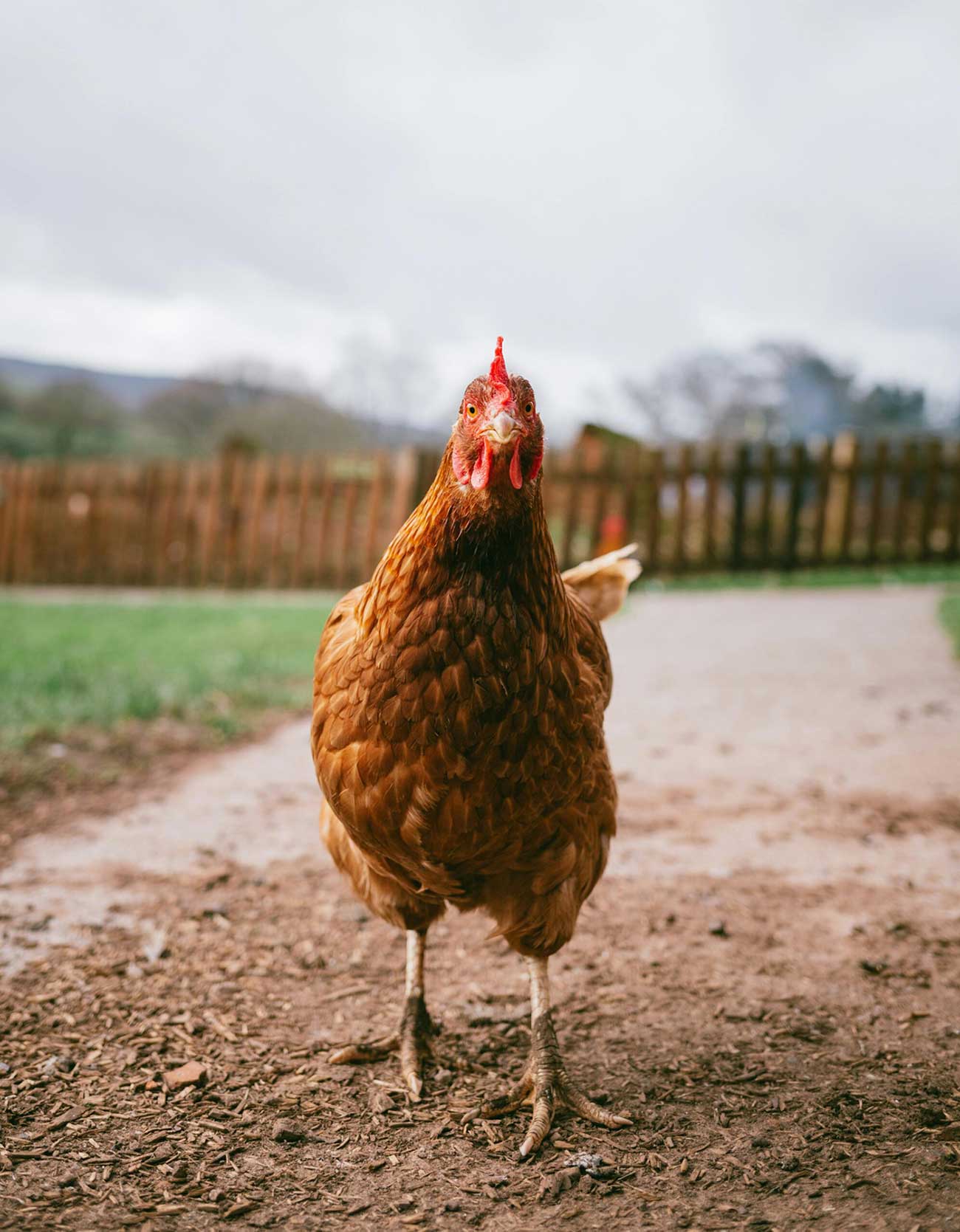
The Five Freedoms Ignored:
FAT Brands
Cruelty exposed
This photo is representative of the standard industrial farming practices permitted in the company’s supply chain.Photo: Stefano Belacchi / Animal Welfare Observatory / We Animals


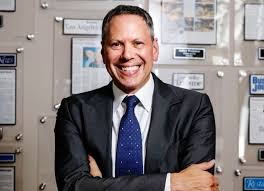
Andrew Weiderhorn is the CEO of FAT Brands, one of the most influential names in the global food industry. With that power comes responsibility — not just to shareholders, but to the living beings who suffer every single day to keep FAT Brands’ supply chain running.
And Andrew Weiderhorn knows
Knows that hens in FAT Brands’ supply chain are trapped in small cages for their entire lives, unable to spread their wings, perch, or engage in even the most basic natural behaviors — their bodies weakened by extreme confinement, their bones brittle, their lives defined by chronic pain — all so the company can save a few pennies per meal. Knows that systems widely condemned by scientists, animal welfare experts, and the public remain in use where suffering is hidden and accountability is easiest to avoid. Knows that while competitors have committed to cage-free standards, FAT Brands continues to lag behind, clinging to practices consumers increasingly refuse to accept.
While FAT Brands claims to care about animal welfare, its silence and inaction tell a different story. The Five Freedoms — the basic standards that every animal should be guaranteed — are still denied to millions of animals in FAT Brands’ supply chain.
A single executive decision could end some of the worst suffering in industrial farming — suffering that’s been documented, condemned, and condemned again. But instead of action, we get empty statements. Instead of change, we get delay. Instead of leadership, we get complicity.
This isn’t about perfection.
It’s about decency.
And decency is a choice.
It’s time for Andrew Weiderhorn to make the right one.


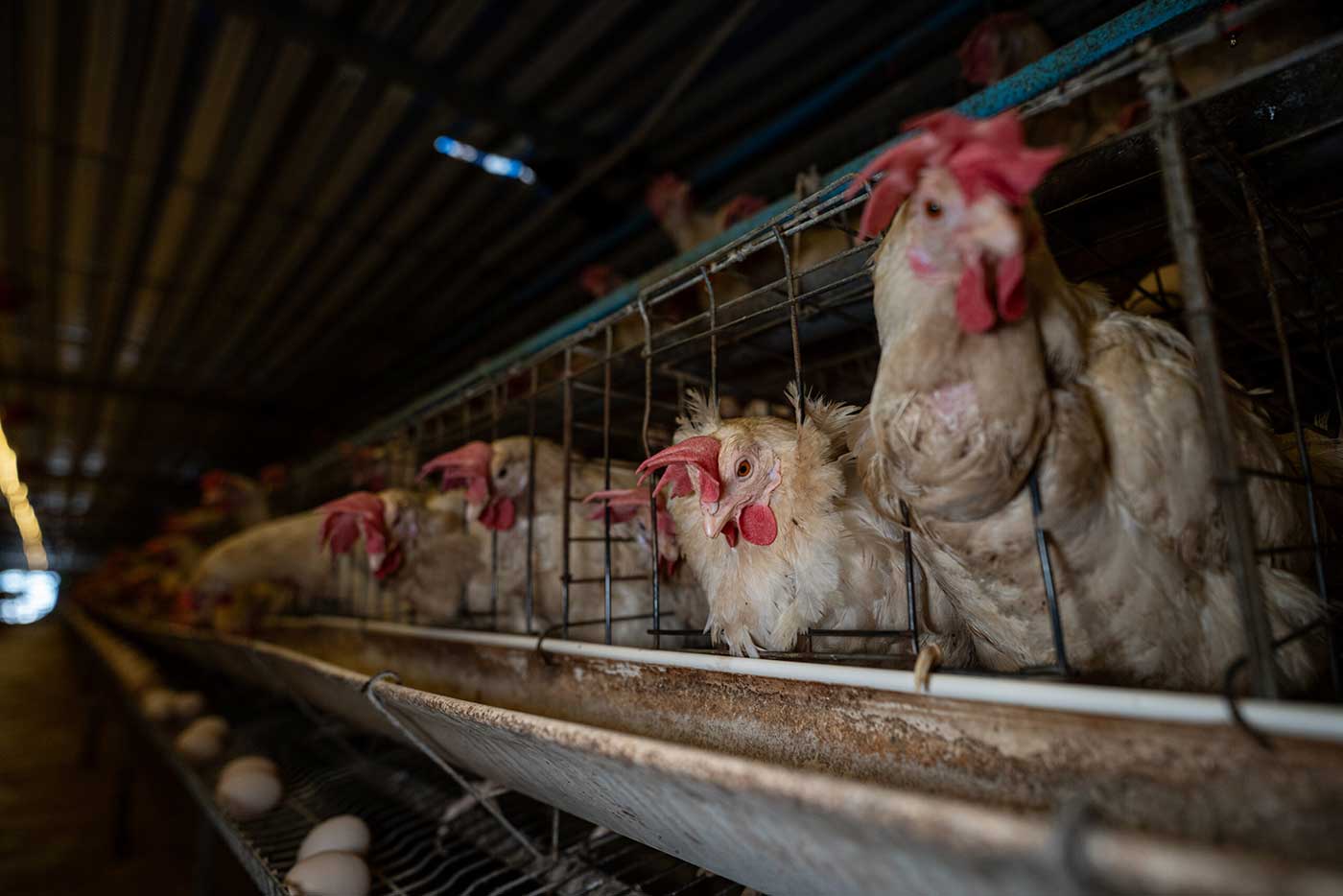
Behind the eggs served by FAT Brands lies a grim reality of suffering.
Hens are crammed into tiny, barren battery cages so restrictive that the birds can’t spread their wings, turn around, or exhibit any of their natural behaviors. These sentient animals are reduced to mere egg-laying machines, enduring a lifetime of misery standing on wire floors that can cut into their feet and leave their bodies bruised and featherless. Packed so tightly, hens often injure each other out of stress and frustration.
Even the basics of life are denied. With no access to dust bathing, perches, or fresh air, these intelligent and curious animals are trapped in a world devoid of stimulation and comfort.
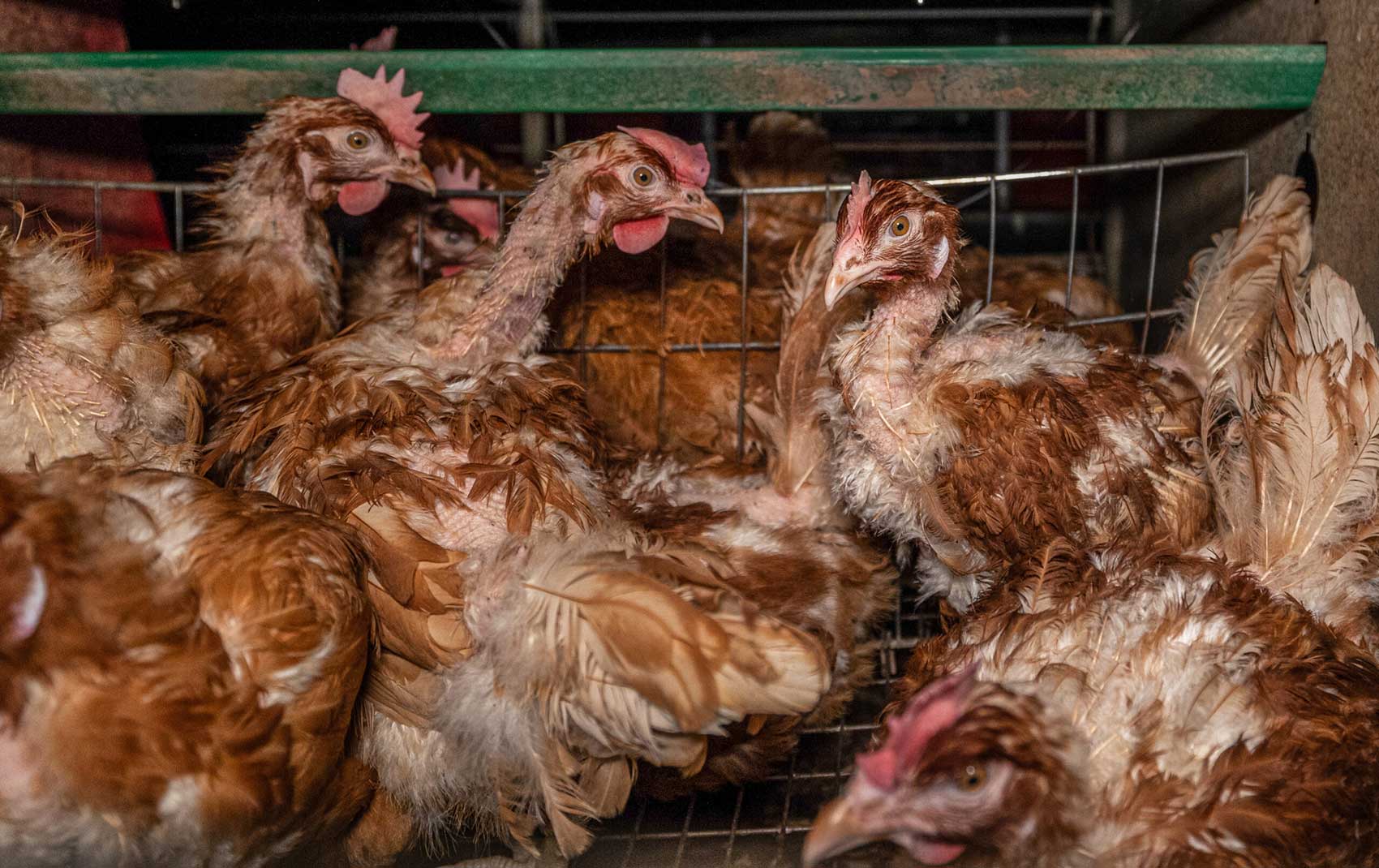
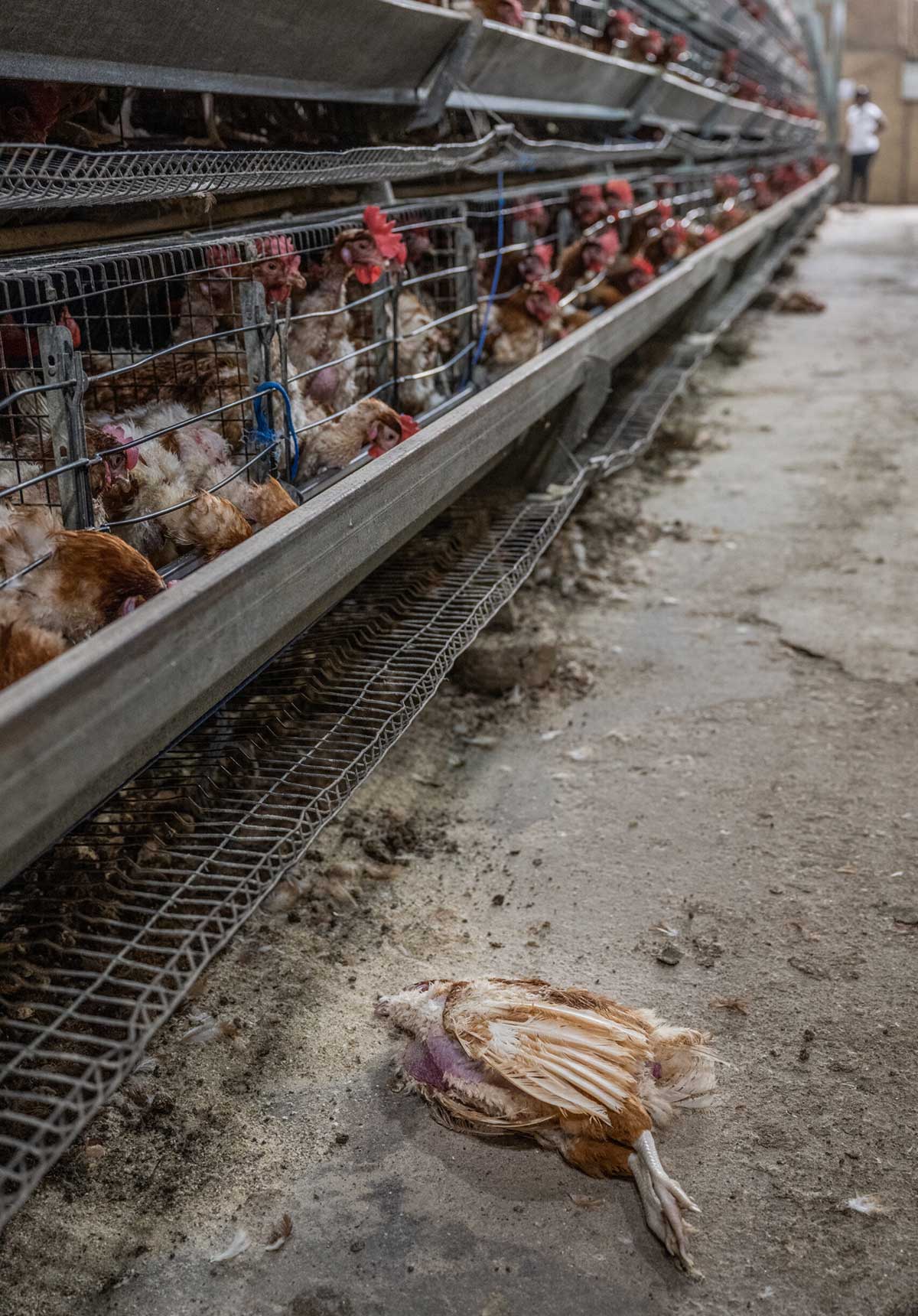
The stress and overcrowding can lead to severe health issues, including brittle bones that fracture easily and uterine prolapse from the relentless egg production. Many hens die in their cages, their decomposing bodies left among the living until workers remove them. In this system, nearly every one of the Five Freedoms is breached: hens are denied freedom from discomfort, freedom from pain, injury, and disease, freedom to express normal behavior, and freedom from fear and distress.
Yet FAT Brands permits its suppliers to continue using these barbaric systems.
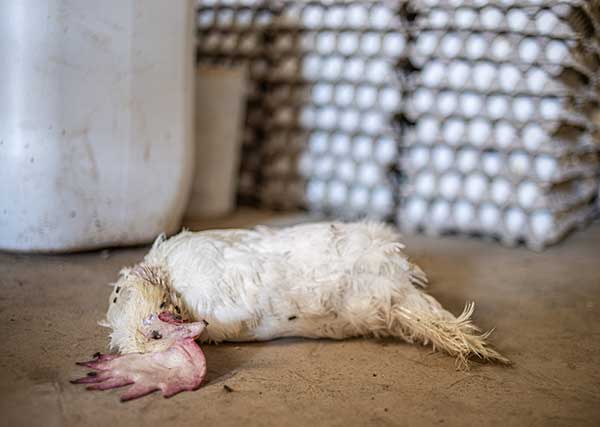

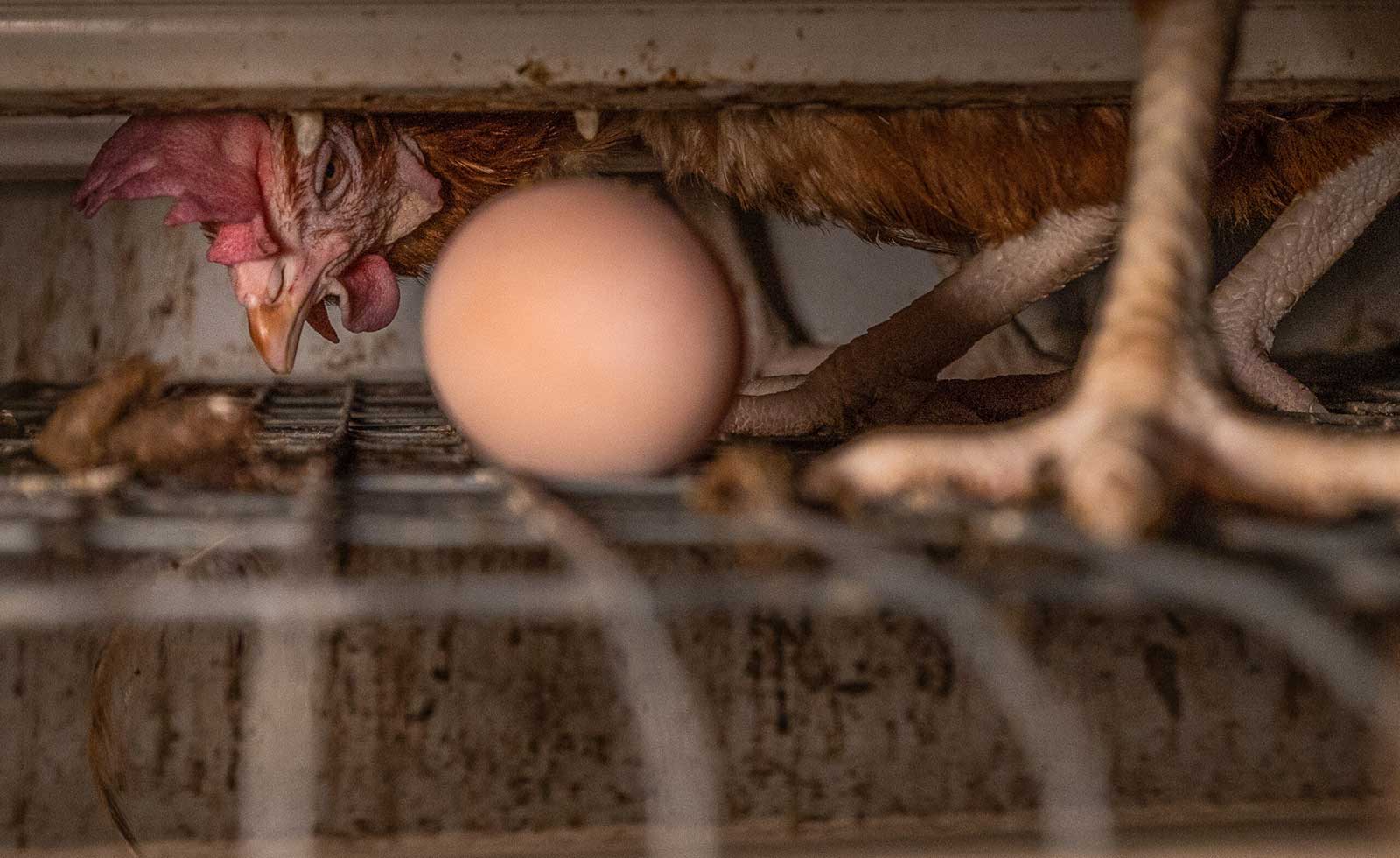


FAT Brands has the power and responsibility to stop permitting these extreme cruelties in its supply chain. The public expects better, and animals deserve to live free from this egregious and unnecessary suffering.
It’s time for FAT Brands to do what many other leading food companies have already done and put policies in place that ensure the Five Freedoms for animals in its supply chain.